

Understanding Home Inspection Services

Buying a home is one of the biggest decisions you will make. It’s exciting, but it can also be overwhelming. You want to be sure the house you choose is safe, sound, and worth your investment. That’s where comprehensive home inspections come in. They give you a clear picture of the property’s condition before you commit. I’m here to walk you through what these inspections involve, why they matter, and how they can save you money and stress in the long run.
What Are Comprehensive Home Inspections?
Comprehensive home inspections are detailed evaluations of a property’s overall condition. Unlike a quick walkthrough, these inspections cover every major system and component of the house. This includes the roof, foundation, plumbing, electrical systems, heating and cooling, and more. The goal is to identify any existing problems or potential issues that could affect the home’s safety, value, or livability.
A professional inspector uses specialized tools and knowledge to assess the home thoroughly. They look for signs of damage, wear, or code violations. After the inspection, you receive a detailed report with photos and recommendations. This report helps you understand what repairs or maintenance might be needed.

Why Comprehensive Home Inspections Are Essential
When you’re investing in a home, you want to avoid surprises. A house might look perfect on the surface but hide costly problems underneath. Comprehensive home inspections protect you by revealing these hidden issues early. Here’s why they are essential:
Prevent costly repairs: Knowing about problems before buying lets you negotiate repairs or price adjustments.
Ensure safety: Inspections check for hazards like faulty wiring, mold, or structural damage.
Plan maintenance: The report helps you prioritize future upkeep to keep your home in good shape.
Gain peace of mind: You can move forward confidently, knowing the true condition of your investment.
For example, a home inspection might uncover a leaking roof or outdated electrical panel. Without this knowledge, you could face expensive repairs after moving in. With a thorough inspection, you can address these issues upfront or reconsider your purchase.
What to Expect During a Home Inspection
A typical comprehensive home inspection takes 2 to 4 hours, depending on the size and age of the property. Here’s what usually happens:
Exterior inspection: The inspector checks the roof, gutters, siding, windows, and foundation for damage or wear.
Interior inspection: They examine walls, ceilings, floors, doors, and windows for cracks, leaks, or other issues.
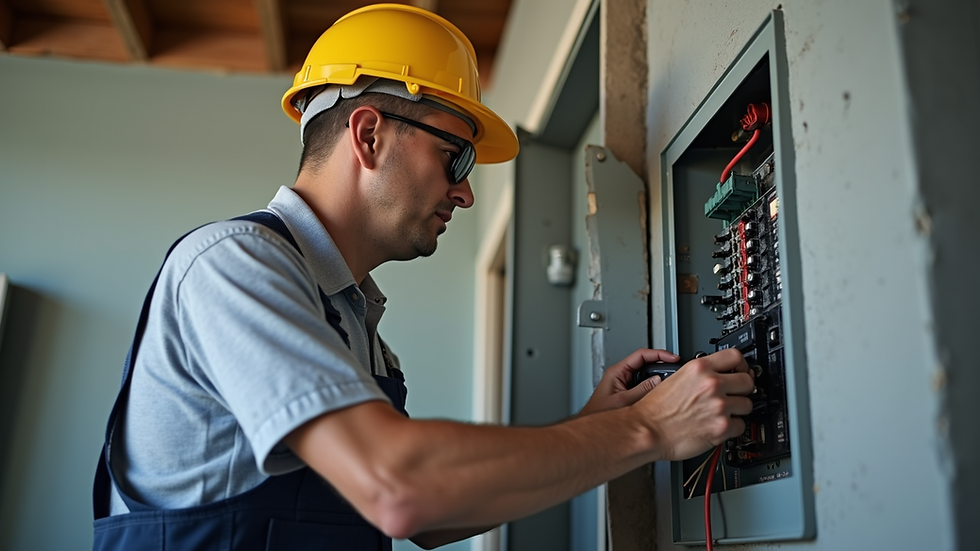
Systems check: Plumbing, electrical, heating, ventilation, and air conditioning systems are tested for functionality and safety.
Appliance review: Built-in appliances like ovens, dishwashers, and water heaters are inspected.
Attic and basement: These areas are checked for insulation, moisture, pests, and structural concerns.
During the inspection, you can often accompany the inspector to ask questions and learn about the home’s condition firsthand. This is a great opportunity to get expert advice and understand what repairs might be needed.
How to Choose the Right Home Inspector
Choosing a qualified home inspector is crucial. You want someone experienced, trustworthy, and thorough. Here are some tips to help you find the right professional:
Check credentials: Look for certifications from reputable organizations and relevant licenses.
Read reviews: See what past clients say about their experience and satisfaction.
Ask about experience: Find out how long they have been inspecting homes and if they specialize in certain property types.
Request sample reports: A good inspector provides clear, detailed reports with photos and explanations.
Verify insurance: Ensure they have liability insurance to protect you in case of errors.
You can learn more about the qualifications and services offered by trusted inspectors at KDG Home Inspections. They focus on empowering buyers in Allenton, Wisconsin, with the knowledge needed to make smart decisions.
Making the Most of Your Home Inspection Report
After the inspection, you’ll receive a comprehensive report. This document is your roadmap for understanding the home’s condition. Here’s how to use it effectively:
Review carefully: Take time to read through the findings and look at the photos.
Prioritize issues: Identify urgent repairs that affect safety or structural integrity.
Get repair estimates: Use the report to get quotes from contractors for necessary work.
Negotiate with sellers: Share the report to request repairs or price reductions.
Plan future maintenance: Use the inspector’s recommendations to schedule upkeep and avoid bigger problems.
Remember, no home is perfect. The goal is to know what you’re dealing with and make informed choices. A detailed inspection report gives you the power to negotiate and plan wisely.
Building Confidence in Your Home Purchase
Comprehensive home inspections are more than just a formality. They are a vital step in protecting your investment and ensuring your new home is safe and comfortable. By understanding what to expect and how to use the information, you can avoid costly surprises and enjoy peace of mind.
If you’re ready to take the next step, consider reaching out to a trusted local expert. With the right inspection, you’ll gain the knowledge and confidence to move forward with your home purchase.
Your future home deserves a thorough checkup. Don’t skip this important step. It’s the key to making a smart, informed decision that you’ll be happy with for years to come.


Comments